
Paediatric Pelvic Health Physiotherapy

Bladder, bowel, and pelvic floor symptoms are common in children, but they shouldn’t be a source of shame or worry. We provide gentle care to help your child overcome challenges like bedwetting, constipation, and delayed toilet training in a supportive environment.
Bedwetting
Bedwetting is a common and normal part of development for many children, and typically resolves with time. Factors such as deep sleep, a small bladder capacity, a family history, or constipation can contribute. It’s important to approach bedwetting with understanding and reassurance, as it is not within the child’s control. For children over the age of 6/7 who continue to experience bedwetting, support and guidance from our pelvic floor physiotherapy team can help!

Constipation
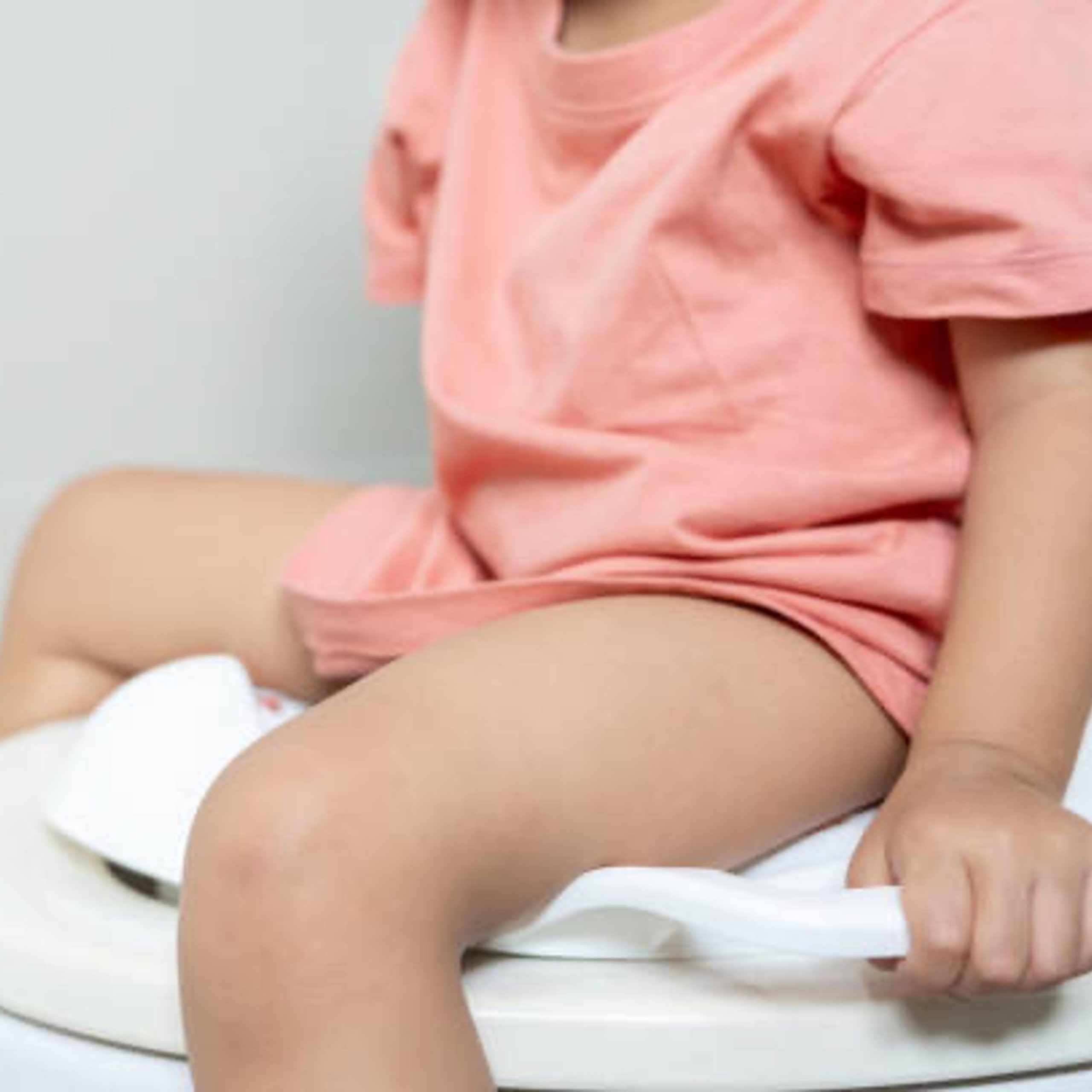
Constipation is one of the most common continence concerns in children and can significantly affect both bowel and bladder function. It occurs when bowel movements are infrequent, hard, or painful to pass. Signs may include going to the toilet less than three times a week, hard or pellet-like stools, straining, abdominal discomfort, or soiling (leakage of stool into underwear). Constipation is important to address, as children can learn to withhold opening their bowels due to fear of painful poos, contributing to the problem. A full bowel can also place pressure on the bladder and contribute to issues such as bedwetting or daytime urinary leakage.
At our clinic, we take a holistic and child-friendly approach to managing constipation, helping families understand the underlying causes and build healthy toileting habits.
Daytime Wetting
Daytime urine leakage can be caused by several factors, like an overactive bladder or waiting too long before using the toilet. It may also be linked to constipation. These leaks can feel frustrating, but they can improve with the right support.
Our pelvic health physiotherapy team works closely with families to identify the causes and create a personalised plan to help your child. If your child is struggling with daytime leakage get in touch to see if we can help make a positive difference.