Expert Pelvic Health Physiotherapy for Pelvic Pain

Evidence-based care for anyone experiencing pelvic pain, sexual discomfort, or chronic pelvic conditions
Pelvic Pain
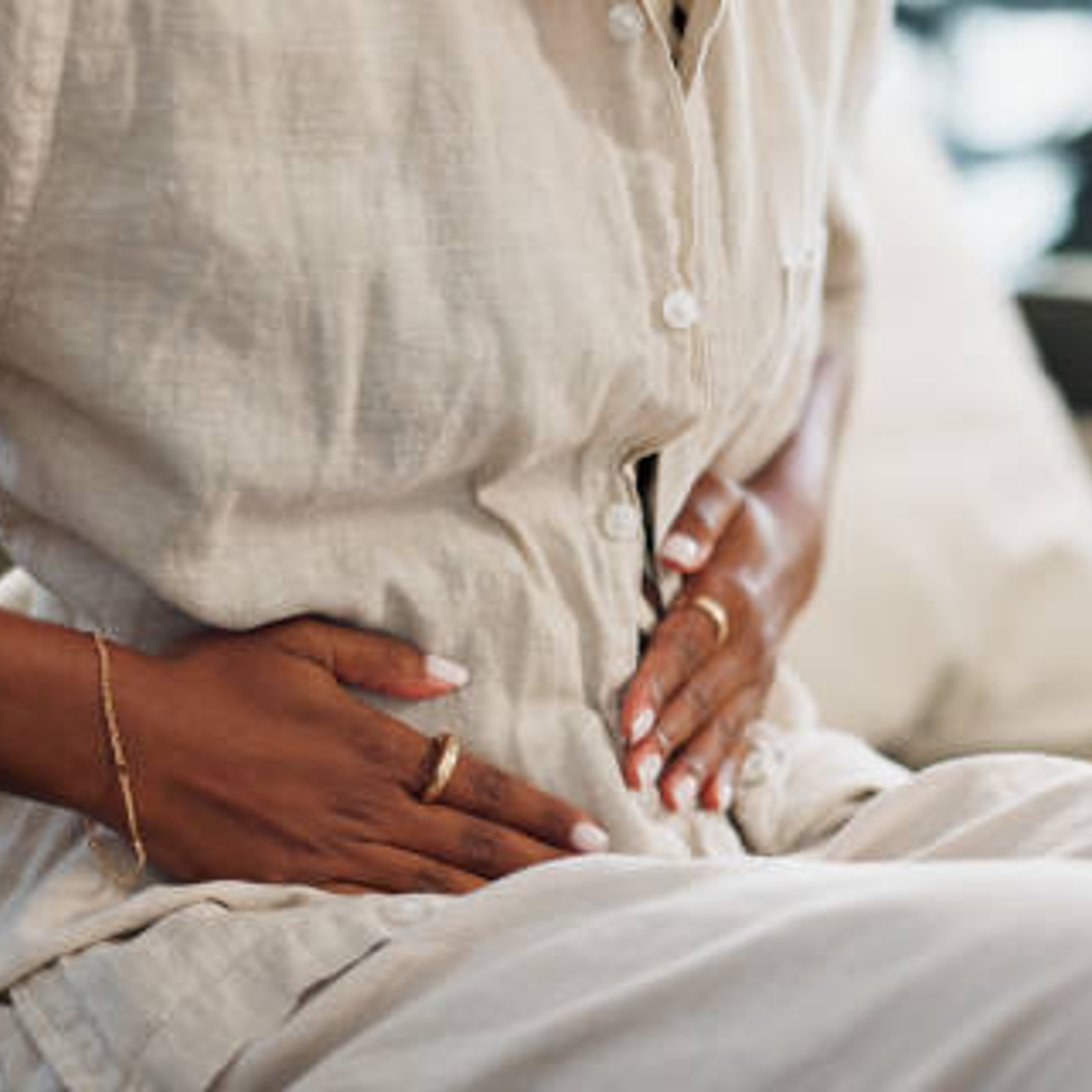
Pelvic pain can affect people of all genders and at any stage of life. The pain varies from person to person, but may feel sharp, dull, achy, heavy, or burning, and can be constant or come and go. Often, it’s linked to tension or dysfunction in the pelvic floor muscles, nerves, joints, or surrounding tissues. Our physiotherapists are trained in comprehensive pelvic health assessment and use a combination of education, pelvic floor muscle relaxation training, manual therapy, targeted exercises and movement strategies to help reduce pain and restore function.
Treatment is always individualised to you, your goals & depends on your symptoms and comfort. We aim to help you understand your body, reduce sensitivity in the nervous system, and build strategies for long-term relief and confidence in your daily activities.


Sexual Pain & Discomfort
Pain during or after sexual activity is common, but not something you have to live with. Whether it’s pain with penetration, arousal, erection, orgasm, or simply a sense of discomfort or fear around intimacy, physiotherapy can help. These symptoms can be caused by tight pelvic floor muscles, scar tissue, previous trauma or surgery, hormonal changes, or stress.
Our pelvic health physiotherapists provide a safe and supportive space to explore what might be contributing to your symptoms. Treatment may include pelvic floor muscle relaxation training, breathing and relaxation techniques, desensitisation strategies, pelvic stretches & strategies to reduce muscle guarding. We work at your pace and in line with your goals, helping you move towards comfortable and pain free intimacy.
Period Pain
Period pain is common, but it shouldn’t be debilitating. Many people experience cramping, pelvic heaviness, lower back pain, or bowel and bladder discomfort around menstruation. While some level of discomfort can be normal, severe or persistent symptoms may indicate conditions like endometriosis or adenomyosis, or could be related to muscular and postural factors.
Pelvic health physiotherapy can help manage and reduce pain by addressing tension in the pelvic floor and surrounding muscles, improving pelvic alignment, and calming the sensitivity of the nervous system. Our treatment approach is tailored to your specific experience, whether you’re managing cycle-related symptoms, diagnosed with endometriosis or adenomyosis, or navigating the uncertainty of undiagnosed but persistent pelvic pain.
You may benefit from manual therapy, pelvic floor muscle relaxation training, movement strategies, pelvic stretches, and education on pacing and symptom tracking. We also support you in developing at-home strategies, like positioning, stretches, and breathing techniques, to help you feel more in control of your symptoms throughout your cycle.
We believe that period pain, whatever the cause, deserves to be taken seriously and treated with empathy, clinical expertise, and a long-term management plan that works for your body and lifestyle.
We often work very closely and collaboratively with your medical team which may include:
- Gynaecologist
- Pain Specialist
- General Practitioner
- Psychologist
- Sexual Therapist