
Pelvic Health Physiotherapy for Pelvic Organ Prolapse

Prolapse is a common condition that can cause feelings of heaviness, pressure, or bulging in the pelvic area. Our physiotherapists provide supportive, evidence-based care to help you manage symptoms and feel confident continuing to do the things you love!
Vaginal Prolapse
Vaginal prolapse occurs when the walls or organs of the pelvis, such as the bladder, uterus, or bowel, shift downward and create a sensation of pressure or bulging in the vagina.
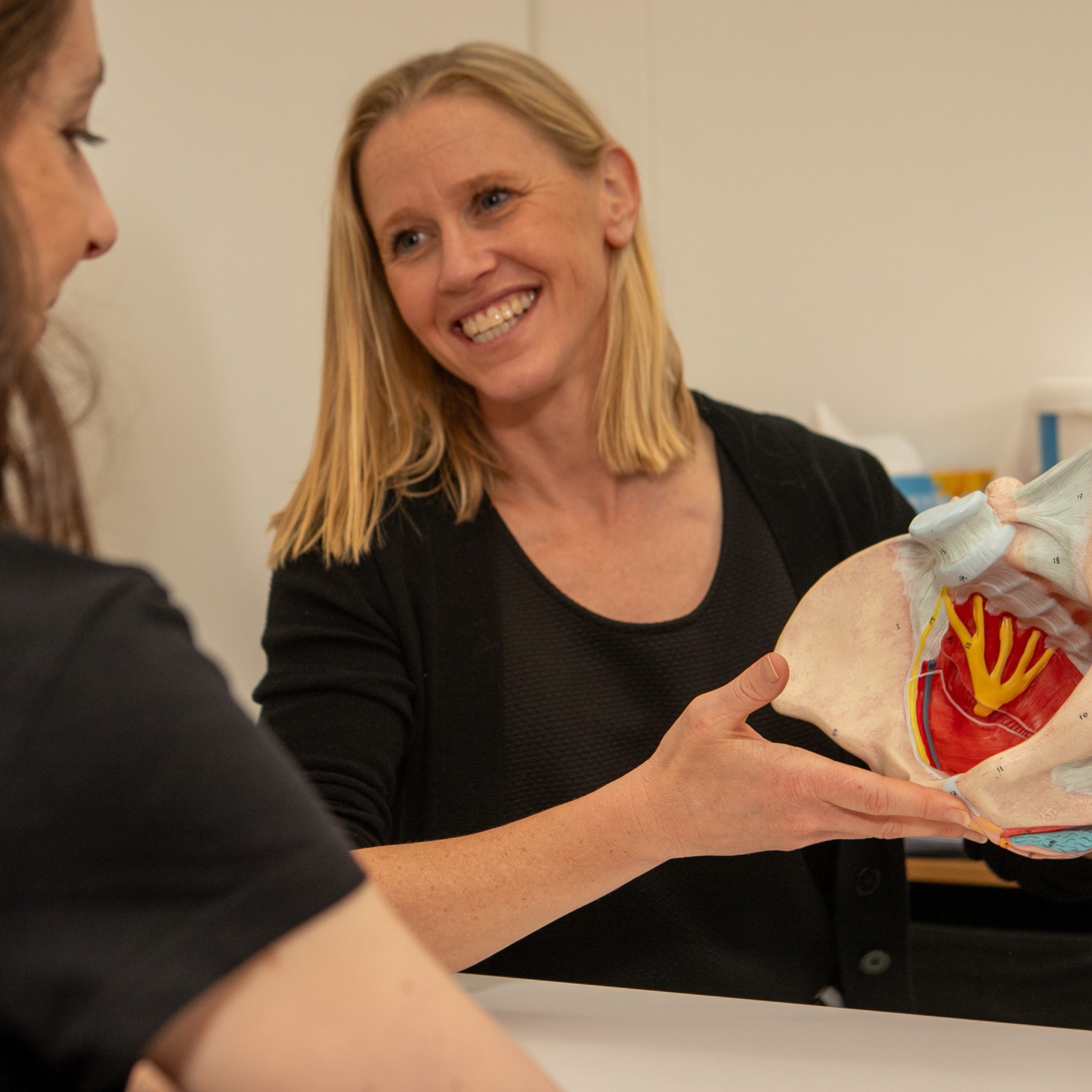
You might notice symptoms such as heaviness or dragging in the pelvic area, a sensation of a “bulge”, changes in bladder or bowel habits, or sexual function feeling different. Our physiotherapists provide gentle, personalised care to help manage these symptoms and support your pelvic floor muscles.
Treatment may include pelvic floor muscle training exercises, breathing and posture strategies, general strength advice, education, pessary support, and guidance around daily activities or exercise. We’re here to help you feel at ease in and make informed choices about your management, whether that’s conservative care, pessary use, or working alongside other health professionals.
Pessary Support
A vaginal pessary is a small device that can be inserted into the vagina to help support the pelvic organs and relieve symptoms of prolapse. For many people, it offers a non-surgical way to feel more comfortable with daily activities, exercise, or during the postpartum or menopausal period.
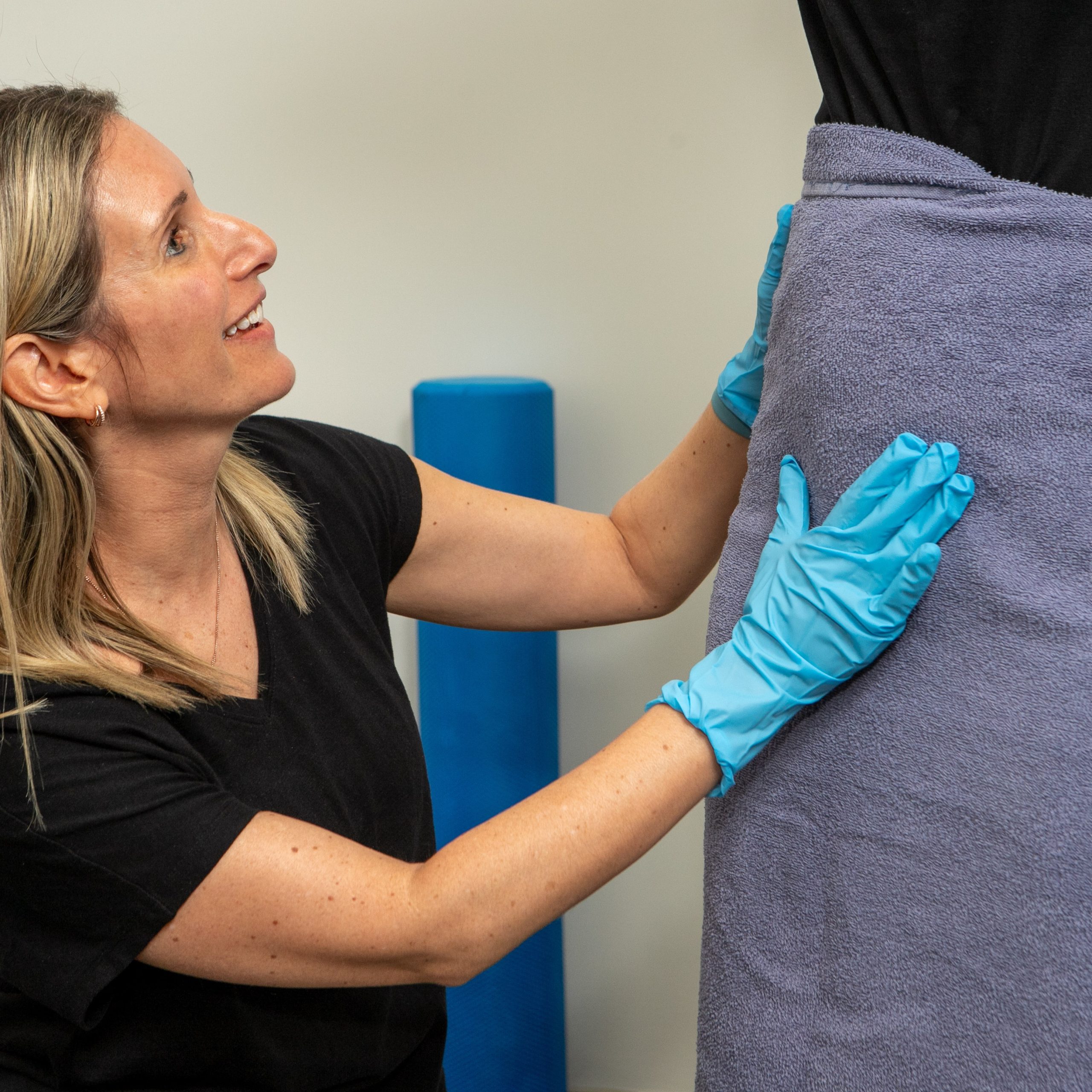
Some of our physiotherapists are trained to fit vaginal pessaries as part of a holistic approach to prolapse care. We’ll work with you to assess whether a pessary might be a helpful option for your body and lifestyle. If appropriate, we can fit and review your pessary in-clinic, while also supporting your pelvic floor through strengthening, coordination, and education. Our goal is to ensure you feel confident, informed, and fully supported, whether you’re using a pessary short-term, long-term, or alongside other treatment options.
Rectal Prolapse
Rectal prolapse refers to a descent of the rectum toward or beyond the anal opening. You may notice a sensation of incomplete bowel emptying, pressure in the back passage, or difficulty with bowel movements.
Physiotherapy can help by improving the coordination and strength of the pelvic floor muscles, supporting bowel function, and reducing pressure during toileting. We use a compassionate, non-judgmental approach to help you understand what’s happening in your body and explore strategies that can ease your symptoms and improve your quality of life.
As with all pelvic health concerns, your care is personalised and respectful of your comfort, preferences, and goals.
Managing Risk Factors
Prolapse symptoms often develop or change over time due to factors like pregnancy and birth, hormonal shifts, constipation, chronic coughing, heavy lifting, or certain types of high-impact activity. While some of these factors can’t be avoided, there’s a lot we can do to reduce strain on the pelvic floor muscles and support long-term pelvic wellbeing.
We’ll work with you to identify what’s contributing to your symptoms and offer practical strategies to help. This may include improving bowel habits, breathing and lifting techniques, managing pressure during exercise, and supporting hormonal or lifestyle changes.
Our goal is to help you feel empowered with the knowledge, tools, and confidence to care for your pelvic health, not just now, but in the years ahead.